Lower Energy Bills and Better Indoor Comfort Start at the Roof
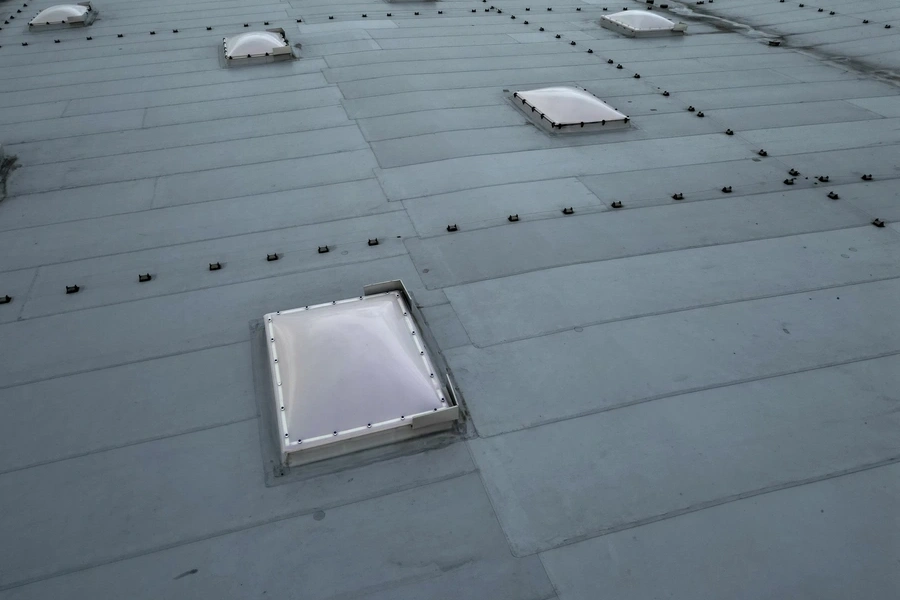
Flat Roof Replacement can lower energy bills by stopping air leaks, adding better insulation, and reflecting heat away from your building. When a flat roof gets old, it traps heat in summer and loses warmth in winter. A new roofing system helps keep indoor temperatures steady, so your heating and cooling system does not have to work as hard.
What You Need Before Starting
Before planning a flat roof replacement, you need a clear picture of your current roof. Look at its age, condition, and history of repairs. Most flat roofs last 15 to 30 years, depending on material and upkeep.
You should also review:
- Your past energy bills
- Any insulation under the roof
- Signs of moisture or trapped heat
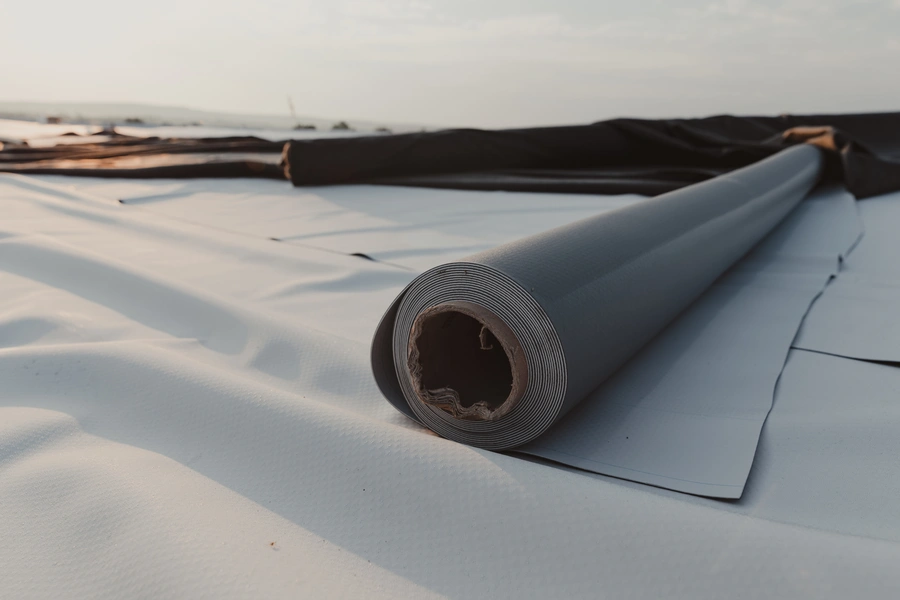
- The type of roof membrane in place
It also helps to talk with a roofing contractor who works with energy-efficient systems. They can explain modern materials that reflect sunlight and improve indoor comfort.
Step-by-Step: How a New Roof Boosts Energy Efficiency
Here is how the process works from start to finish:
- Inspection and tear-off: The old roofing material is removed. This exposes damaged insulation and hidden gaps.
- Deck repair: The roof deck is checked for rot or damage. Fixing weak spots creates a solid base.
- New insulation installation: High-quality insulation boards are added. This step limits heat flow in and out of the building.
- Energy-efficient membrane: A reflective membrane, such as TPO or PVC, is installed. These light-colored materials reflect sunlight instead of absorbing it.
- Sealing and flashing: Edges, drains, and vents are sealed tightly. This prevents air leaks and water intrusion.
Each step plays a part in helping your building stay cooler in summer and warmer in winter. Over time, this reduces strain on HVAC systems and lowers monthly utility costs.
Common Mistakes to Avoid
Some property owners focus only on stopping leaks. While that matters, energy performance should also be a priority.
Here are common mistakes:
- Choosing the cheapest roofing material without checking insulation value
- Skipping added insulation to save money upfront
- Ignoring proper drainage on a flat surface
- Hiring crews without experience in energy-efficient systems
A poorly installed flat roof replacement can still allow heat loss or heat gain. Quality materials and proper installation make a real difference.
When to Call a Professional
Some roofing repairs are simple. Full replacement is not. If you notice rising energy bills, uneven indoor temperatures, ponding water, or frequent patch jobs, it may be time to consult a roofing expert.
Large commercial buildings and multi-family properties benefit the most from energy upgrades. Even small improvements in insulation and reflectivity can lead to steady savings each month.
A professional can run insulation tests, check for thermal gaps, and suggest materials that match your climate. In hot areas, reflective roofing reduces cooling costs. In colder regions, thicker insulation keeps heat inside where it belongs.
Final Recommendation and Next Steps
If your roof is aging or your utility costs keep rising, a flat roof replacement may be the smart move. At Roofing Masters, we help property owners in separate communities like Oxford, CT improve building performance with modern roofing systems built for energy savings. Call us at (475) 278-8037 to schedule an inspection and learn how we can upgrade your roof for better comfort and long-term efficiency.