Simple Maintenance Steps That Help Stop Leaks Before They Start
Maintaining a flat roof is the best way to avoid future leak problems. Regular inspections, keeping drains clear, and fixing small damage early can stop water from getting into your building. Flat roofs do not shed water like sloped roofs, so even minor problems can lead to bigger repair needs. With steady care, you can reduce the need for emergency flat roof leak repair and extend the life of your roof.
Why Prevention Matters
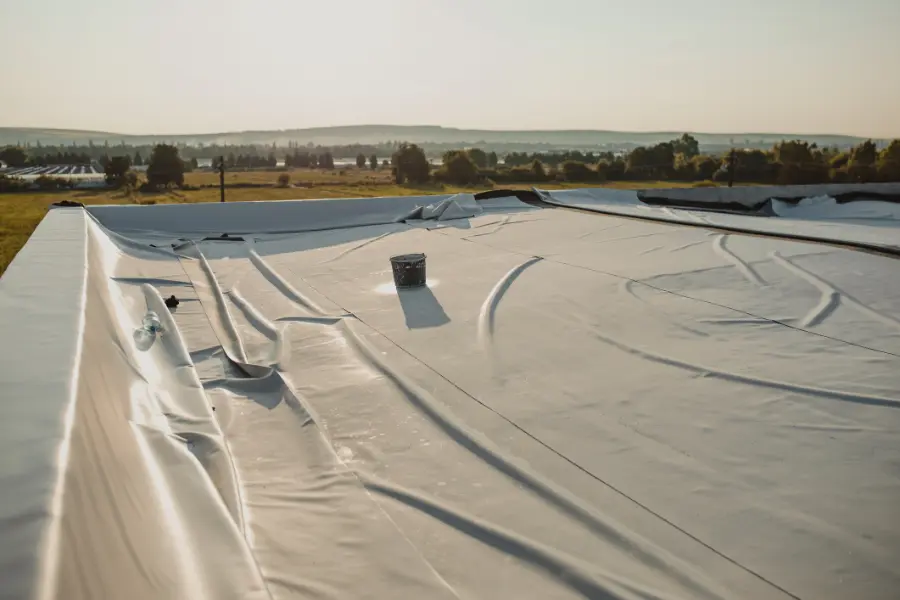
Flat roofs are strong, but they face standing water, debris buildup, and sun damage. If small cracks or weak seams go unnoticed, water can seep underneath the roofing material. Over time, this moisture can damage insulation, decking, and even interior ceilings.
Regular maintenance costs much less than major repairs. A small patch today can prevent a large leak next season. Preventive care also protects your business from downtime and interior damage.
Early Warning Signs of Trouble
Spotting problems early makes a big difference. Watch for these signs during routine checks:
- Ponding water that stays longer than 48 hours after rain
- Cracks or bubbles in the roofing membrane
- Loose flashing around vents or HVAC units
- Water stains on interior ceilings or walls
- Mold or musty smells inside the building
If you see any of these issues, it may be time for flat roof leak repair before the problem spreads.
Seasonal and Routine Maintenance Checklist
Flat roofs should be checked at least twice a year, usually in spring and fall. It is also smart to inspect after major storms. Use this simple checklist:
- Remove leaves, branches, and debris from the surface.
- Clear all drains and scuppers to allow proper water flow.
- Inspect seams and edges for gaps or lifting.
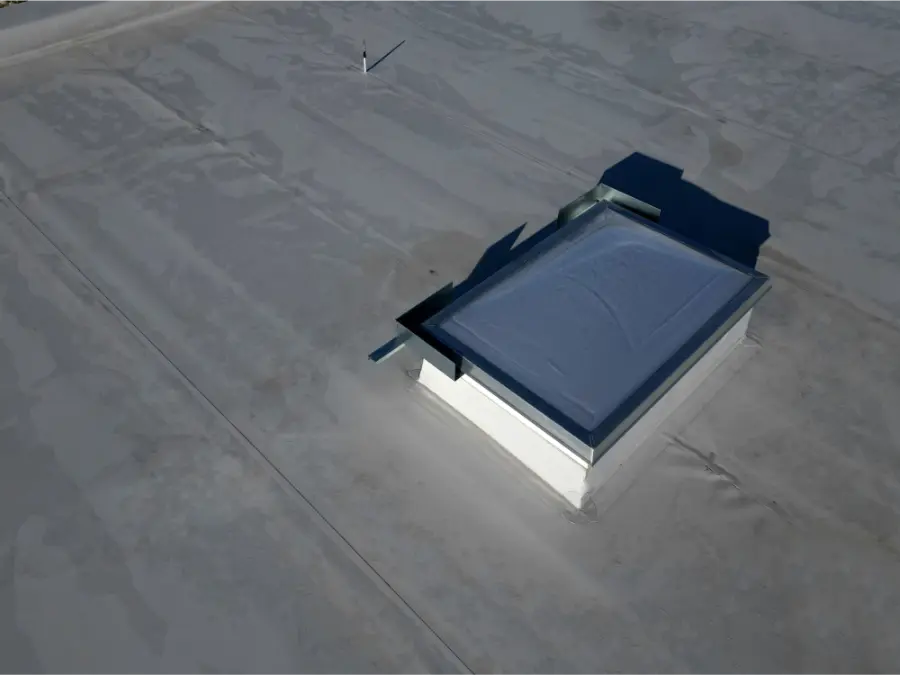
- Check flashing around skylights, vents, and roof units.
- Look for soft spots when walking the roof.
- Document any damage with photos.
Keeping records helps track changes over time. If damage worsens, you will know it quickly.
Best Practices for Long-Term Results
Consistency is key. Set a maintenance schedule and follow it every year. Limit foot traffic on the roof to avoid punctures. If workers must access the roof, use walk pads in high-traffic areas.
Make sure rooftop equipment is properly sealed. Many leak calls come from flashing that pulled away from vents or metal edges. Quick sealing and minor patch work can stop bigger problems.
It also helps to work with experienced roofing services for annual inspections. A trained eye can catch issues you may miss. Professional inspections often reduce surprise repair costs.
If your building has an older membrane, ask about protective coatings. These coatings can add years to the roof’s life and reduce UV damage.
What Not to Do
Some actions can make flat roof problems worse. Avoid these common mistakes:
- Ignoring small cracks or blisters
- Using mismatched patch materials
- Power washing at high pressure
- Trying to seal wet surfaces
- Letting ponding water remain for long periods
Quick DIY fixes may slow a leak for a short time, but poor repairs often lead to more expensive flat roof leak repair later.
When to Schedule Professional Help
Call a professional if you notice recurring leaks, structural sagging, or widespread membrane damage. Large punctures and deep seam separation also require expert tools and materials.
If your roof is more than 15 to 20 years old, schedule an inspection even if no leaks are visible. Aging materials become brittle and more prone to cracking.
Protect Your Flat Roof Before Problems Start
Regular maintenance can save property owners in Oxford, CT time and money. At Roofing Masters, we provide thorough inspections, preventative care, and dependable flat roof leak repair when needed. Our team focuses on long-term protection so small issues do not turn into costly damage. Call us at (475) 278-8037 to schedule a roof check and keep your building protected year-round.